I. Product Introduction
In modern industrial wear-protection engineering, traditional wear-resistant materials face severe challenges as the particle size and hardness of conveyed materials continue to increase. High-chrome cast iron lacks sufficient wear resistance, and while alumina ceramics possess high hardness, they are prone to fracture under strong impacts; the frequent replacement of liners leads to extended downtime and elevated maintenance costs. Therefore, developing liner materials that simultaneously possess ultra-high wear resistance, impact resistance, and high-temperature tolerance has become crucial for enhancing equipment operational efficiency.
Relying on years of ceramic research and development experience, Kingcera utilizes high-purity silicon carbide raw materials and pressureless sintering technology to manufacture silicon carbide ceramic liners with a dense structure and exceptional performance. Characterized by high covalent bond strength and a stable crystal structure, silicon carbide (SiC) boasts a hardness (exceeding HRA 93) far surpassing that of traditional wear-resistant ceramics, exhibiting outstanding anti-wear performance in heavy-wear applications.
II. Product Structure
Depending on the specific operating conditions, silicon carbide ceramic liners can adopt various structural forms:
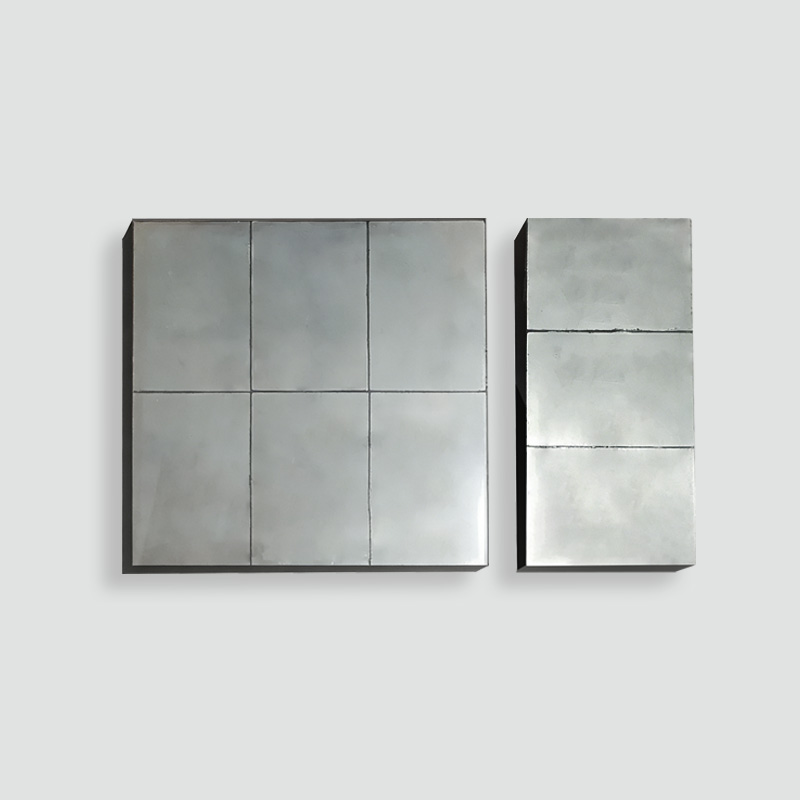
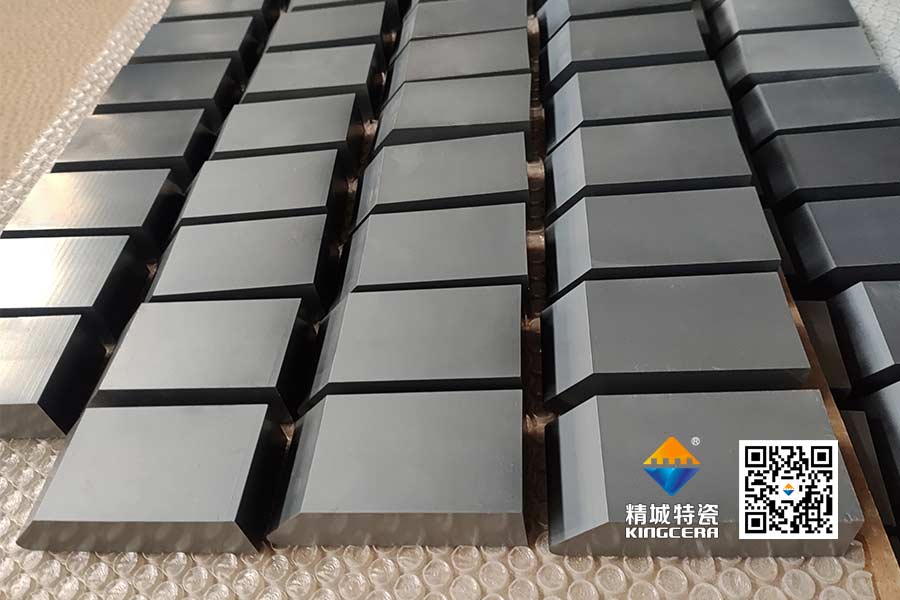
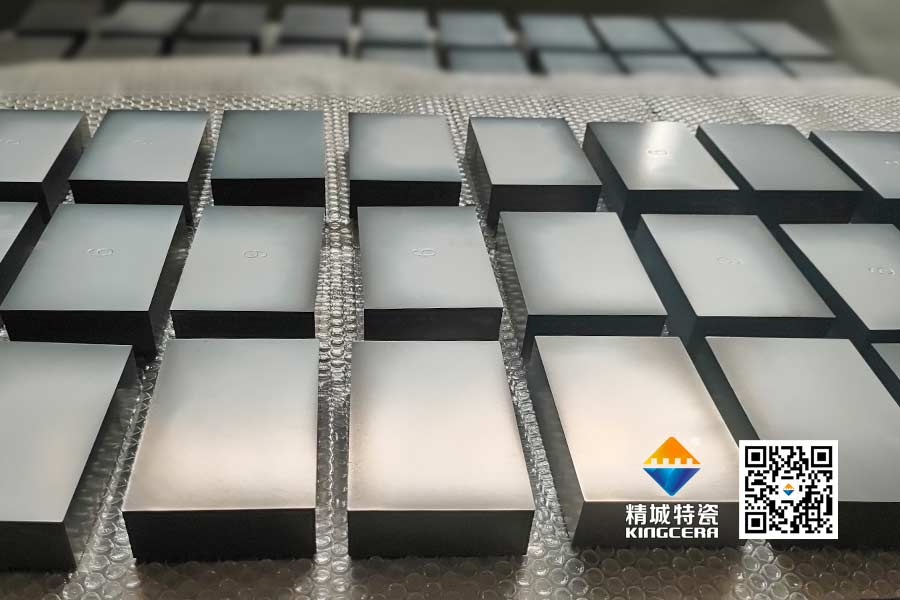
Pure Silicon Carbide Ceramic Liners:Molded and sintered at high temperatures using high-purity silicon carbide powders.
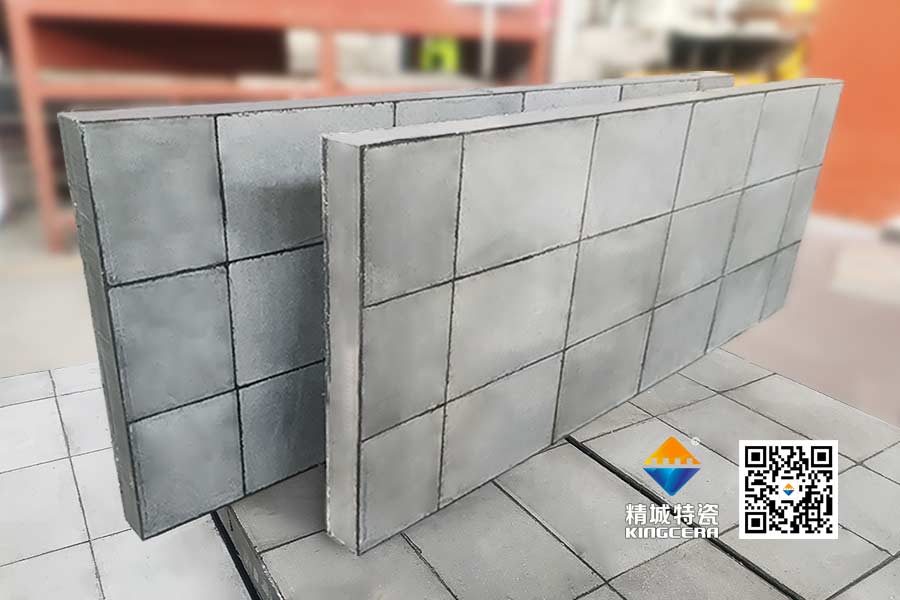
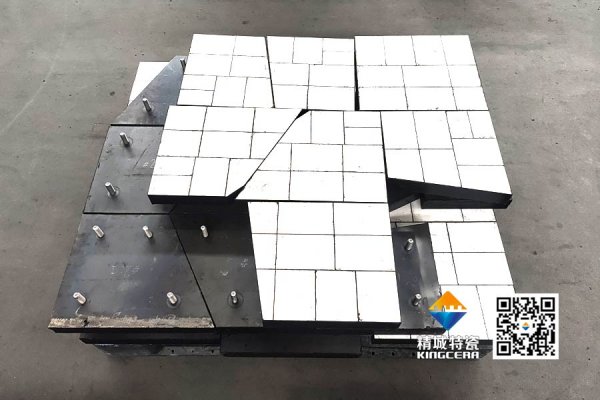
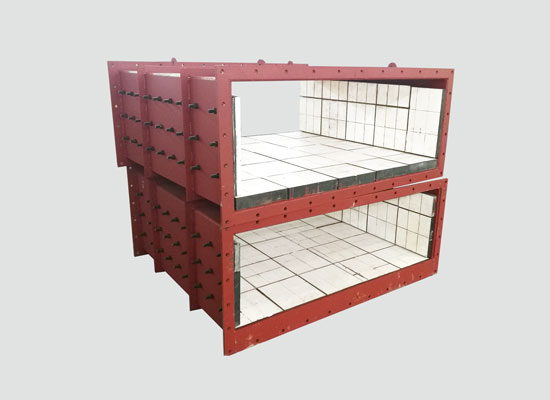
Composite Silicon Carbide Liners:Integrally hot-vulcanized to combine silicon carbide ceramic tiles with high-elasticity natural rubber and steel backing plates. The steel backing plate is equipped with countersunk bolts, allowing it to be firmly secured to the equipment shell. The rubber layer provides excellent cushioning and energy-absorbing effects, effectively absorbing the impact energy generated by large bulk materials to prevent ceramic fracture while simultaneously reducing equipment operating noise.
III. Performance Advantages
Due to its unique crystal structure and physicochemical properties, silicon carbide ceramics possess the following prominent advantages:
1. Extremely High Hardness and Ultra-Wear Resistance
With a hardness of HRA 93–96 and Vickers hardness≥2600HV, silicon carbide ceramics are the ideal wear-protection materials for handling high-hardness materials such as iron ore and quartz sand.
2. Low Density and Light Weight
The density of silicon carbide ceramics is only 3.0–3.15 g/cm³, which is approximately one-third that of steel. For an equivalent volume, the weight of the liner is significantly reduced, which not only facilitates transportation and installation but also substantially decreases the support load of the equipment, enabling more lightweight designs for chutes, hoppers, and other machinery.
3. Outstanding High-Temperature Resistance
The stable crystal structure of silicon carbide allows it to maintain high strength and oxidation resistance even at high temperatures. Pressureless sintered silicon carbide can withstand temperatures up to 1600℃, making it suitable for the lining protection of high-temperature equipment such as high-temperature sintering furnaces, thermal power boilers, and metallurgical heating furnaces.
4. Corrosion Resistance and Strong Chemical Stability
Featuring stable chemical properties, silicon carbide resists corrosion from strong acids, strong alkalis, and various organic solvents; it performs excellently in corrosive media found in hydrometallurgy, chemical reactions, and flue gas desulfurization, thereby simultaneously solving the dual challenges of wear and corrosion.
5. Weak Electrical Conductivity and Anti-Static Safety
Exhibiting semiconductor characteristics with a moderate electrical resistivity (10⁵–10⁶Ω•cm), silicon carbide can effectively dissipate static electricity generated during material transport, preventing static accumulation that could trigger dust explosions, making it particularly suitable for explosion-proof environments in coal and powder workshops.
6. High Thermal Conductivity and Thermal Shock Resistance
With a high thermal conductivity (30–120W/(m•K)) and a low coefficient of thermal expansion (4.0×10⁻⁶/K), silicon carbide possesses excellent thermal shock resistance, enabling it to withstand rapid heating and cooling conditions without cracking, making it suitable for equipment linings subjected to large temperature fluctuations.
IV. Scope of Application
Silicon carbide ceramic liners are widely used as anti-wear linings in the following industries and equipment:
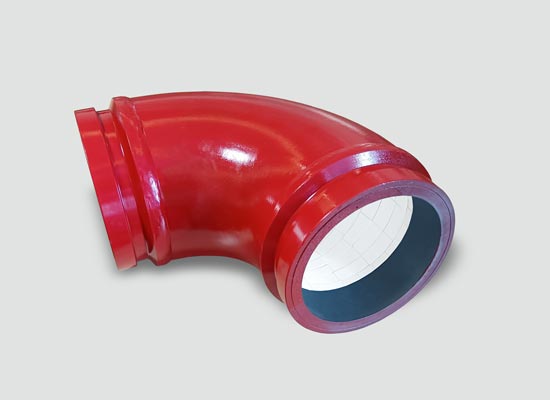
Mining Industry:Ore chutes, hoppers, dense medium cyclones, slurry conveying pipelines, and classifier linings, particularly suitable for conveying equipment handling high-hardness materials like iron ore and copper ore.
Coal Industry:Coal chutes, dense medium separation equipment in coal preparation plants, pulverized coal conveying pipelines, and silo linings, with anti-static properties ensuring production safety.
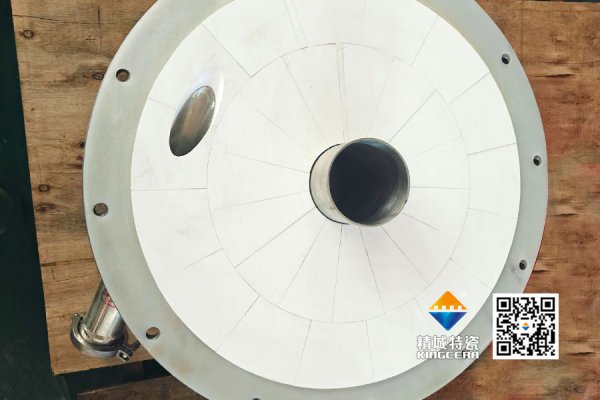
Power Industry:Pulverizing systems, pulverized coal exhaust fans, desulfurization system slurry pipelines, and ash conveying systems in thermal power plants.
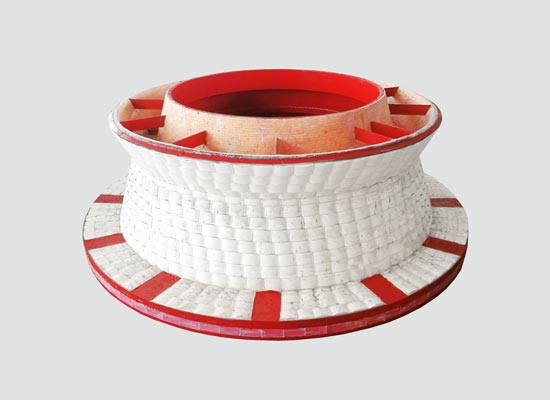
Iron and Steel Metallurgy:Blast furnace pulverized coal distributors, sinter chutes, coke conveying systems, heating furnace linings, and dedusting pipelines.
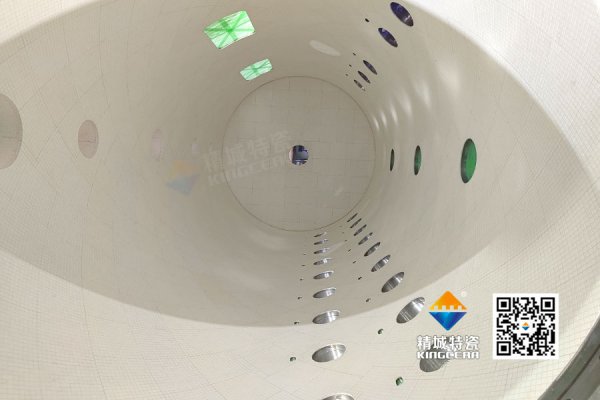
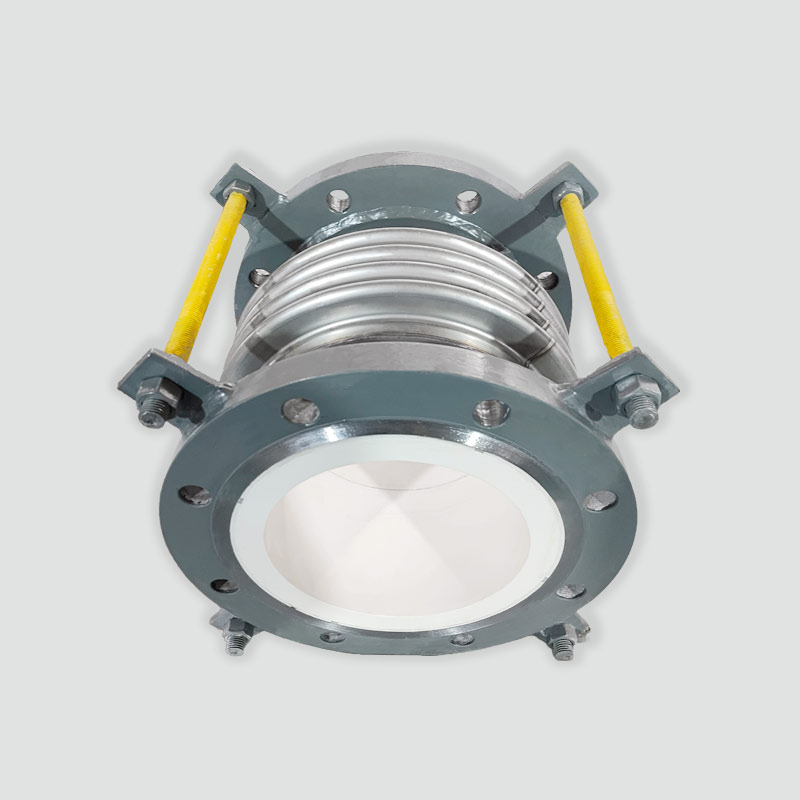
Chemical Industry:Corrosive material conveying pipelines, reactor linings, solid-liquid separation equipment, and acid/alkali storage tank protection.
Lithium Battery and Photovoltaic Industries:Pulverizing and classifying equipment linings for lithium battery cathode/anode materials (graphite, lithium iron phosphate, etc.) and polysilicon crushing/conveying systems in the photovoltaic industry, effectively preventing metal contamination and ensuring material purity.
Cement and Building Materials:Cement chutes, raw mill outlet pipelines, separator linings, and bulk cement conveying systems.
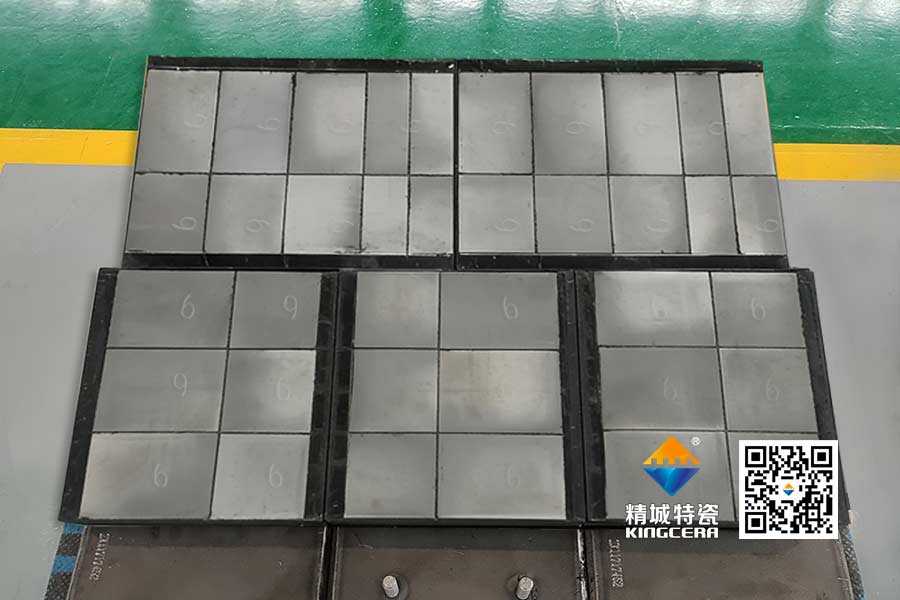 High-Hardness Silicon Carbide Ceramic Wear-Resistant Liners







 中文
中文 English
 Pусский
 Español
 日本語
日本語 한국어
한국어